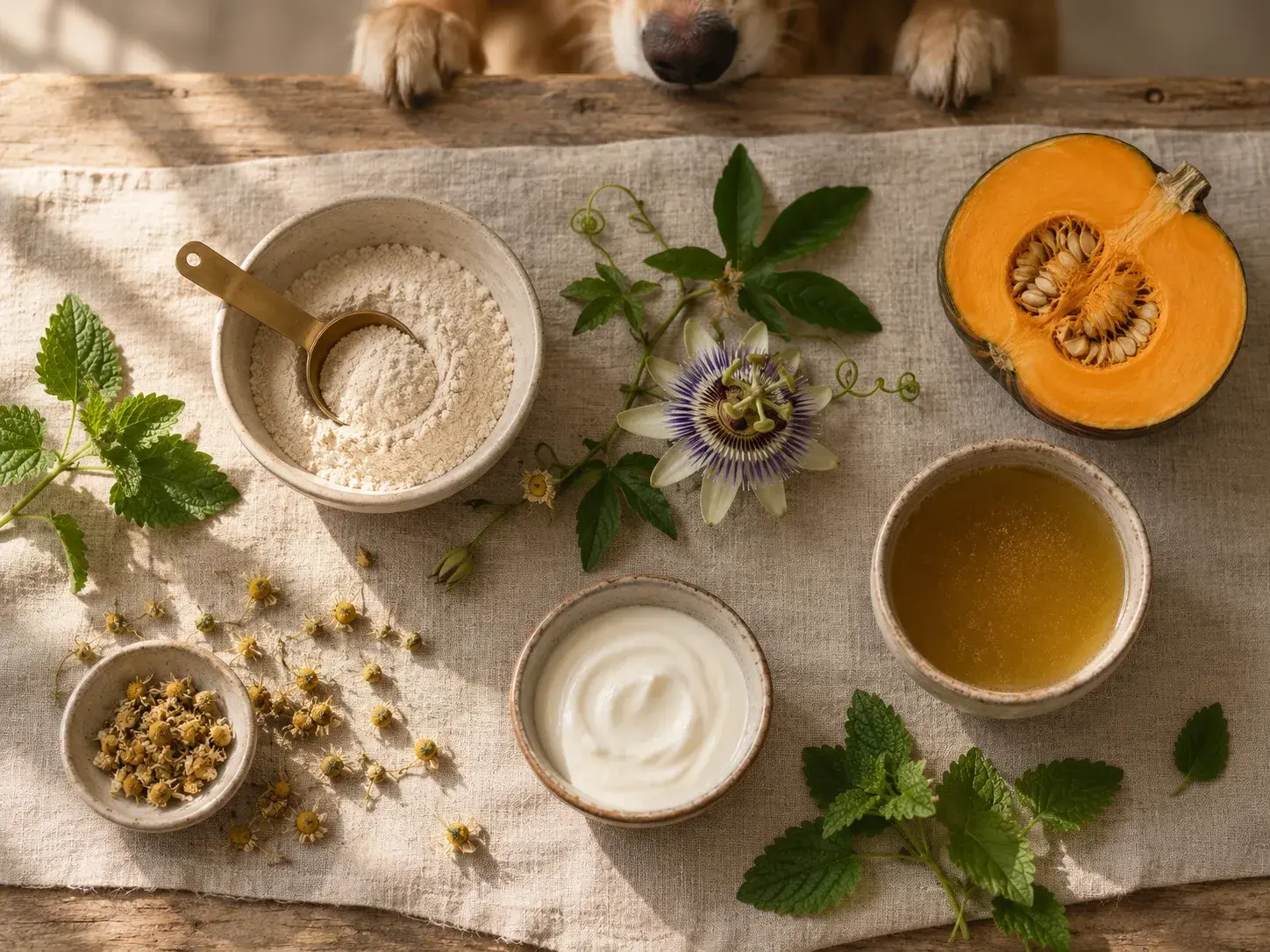
The flowers and plants to watch out for on your spring and summer walks
31 May 2026•Alexis•3 min read
Longer days, warmer evenings and endless countryside walks — spring and summer are arguably the best seasons to have a dog.
But while we're busy admiring wildflowers, planning weekend adventures and soaking up the sunshine, many of the plants appearing during these months can be surprisingly dangerous for curious noses.
From garden favourites to common countryside plants, here are some of the flowers and plants dog owners should keep an eye out for during spring and summer.
Why dogs eat plants in the first place
Some dogs ignore plants entirely. Others seem determined to sample absolutely everything.
Curiosity, boredom, texture, scent, instinct or even simple puppy behaviour can all play a role. Even dogs that normally leave plants alone may suddenly decide that a flower bed looks particularly interesting.
Because of this, knowing what's growing around you becomes part of keeping your dog safe.
Spring and summer plants to watch out for
Lilies
Beautiful? Yes. Dog friendly? Not necessarily.
Certain types of lilies can cause stomach upset including vomiting, drooling and diarrhoea if eaten. While lilies are often discussed more in relation to cats, they are still worth keeping away from dogs.
Foxgloves
These tall purple flowers may look straight out of a countryside postcard, but they contain compounds that can affect the heart and become dangerous if consumed. They often grow along walking routes, country lanes and woodland edges.
Bluebells
Those beautiful carpets of blue seen during spring walks can be tempting for curious dogs. The bulbs are particularly problematic if dug up and eaten.
Daffodils
While peak daffodil season arrives earlier in spring, many remain present into warmer months. Bulbs contain the highest concentration of problematic compounds and can cause vomiting and stomach upset.
Hydrangeas
A garden favourite throughout summer. While many dogs ignore them completely, chewing leaves or flowers may lead to digestive upset.
Ragwort
Often found in fields and roadside areas during summer. This one is particularly important for countryside walks because it commonly appears where dogs explore long grass and open spaces.
Wild mushrooms
Not technically flowers — but absolutely worth mentioning. Warmer, damp conditions can encourage mushroom growth, and identifying safe versus unsafe varieties can be extremely difficult.
The safest approach is simple: if you don't know what it is, don't let them eat it.
Signs your dog may have eaten something they shouldn't
Watch for:
- Vomiting
- Excessive drooling
- Diarrhoea
- Lethargy
- Trembling
- Loss of coordination
- Unusual behaviour
If you suspect your dog has eaten a toxic plant, contact your vet rather than waiting for symptoms to worsen.
How to make walks safer without becoming paranoid
We're not here to ruin your summer walks. The goal isn't avoiding nature — it's enjoying it with a little more awareness.
A few simple habits make a big difference:
- Practice a strong "leave it" command
- Keep an eye on sniff-heavy dogs in long grass
- Avoid allowing digging around flower beds and bulbs
- Bring water on warmer days (many dogs eat plants when overheated or thirsty)
- Supervise puppies closely — because puppies believe everything is food
The bottom line
Spring and summer walks should feel joyful. You shouldn't have to spend every walk anxiously scanning the ground in front of you.
But knowing which flowers and plants to watch out for means you can relax, explore and focus on what really matters: more adventures, more muddy paws and more time outside together.
Join the Frankie & Paws Family
Subscribe to our newsletter for research-led wellbeing guides and key ingredient insights, and enjoy 10% off your first purchase.