Signs of Dehydration in Dogs: Causes, Symptoms and What to Do
2 September 2026•Alexis•9 min read
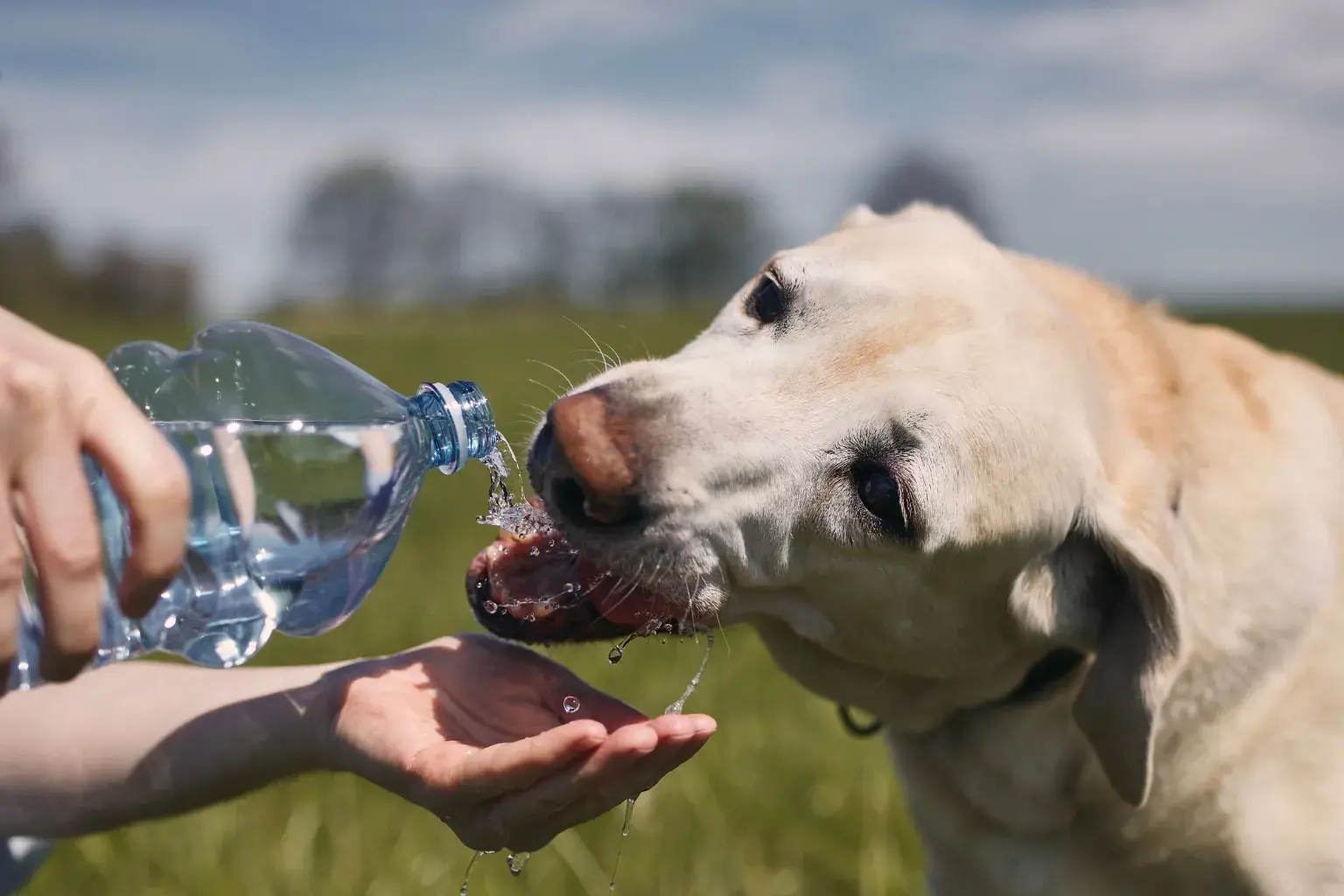
Fresh, clean water is essential to your dog's health, but dehydration isn't always easy to spot.
Hot weather, exercise, travelling, vomiting, diarrhoea and changes in drinking habits can all affect how well hydrated your dog is. Because dogs can't tell us when they're thirsty or feeling unwell, knowing what is normal for your own dog — and recognising the signs that something has changed — is important.
Common signs of dehydration in dogs can include dry or sticky gums, thicker saliva, excessive panting, tiredness, reduced skin elasticity and sunken-looking eyes. If your dog appears unwell, has persistent vomiting or diarrhoea, seems weak or you suspect heatstroke, contact your vet promptly.
How much water should a dog drink each day?
There isn't one exact amount of water that is right for every dog.
A dog's water needs can vary depending on their:
- size and age
- activity level
- diet
- weather and temperature
- health
- medication
Veterinary sources commonly give broad daily water-intake ranges based on a dog's body weight, but these are only guides. Dogs eating wet food, for example, may drink less from their bowl because their food already contains a significant amount of water. Exercise and warm weather can increase water requirements.
The most useful thing you can do is become familiar with what is normal for your own dog.
A noticeable and persistent increase or decrease in drinking can be more important than whether your dog fits an exact daily figure.
A rough guide to daily water intake
As a simple illustration, using a broad guide of approximately 40–70ml of water per kilogram of body weight per day:
| Dog's weight | Approximate daily amount |
|---|---|
| 5kg | 200–350ml |
| 10kg | 400–700ml |
| 15kg | 600ml–1.05L |
| 20kg | 800ml–1.4L |
| 30kg | 1.2–2.1L |
| 40kg | 1.6–2.8L |
These figures are not a target your dog has to meet. Individual requirements vary, and some of a dog's water intake may come from food. If you're concerned about how much or how little your dog is drinking, speak to your vet.
What are the signs of dehydration in dogs?
Dehydration can sometimes be difficult to recognise, particularly in its early stages.
Possible signs include:
- dry or sticky gums
- thick or sticky saliva
- excessive panting
- tiredness or low energy
- reduced appetite
- reduced skin elasticity
- sunken-looking eyes
Some of these signs can also occur for reasons other than dehydration, so they shouldn't be used to diagnose your dog at home.
If your dog appears dehydrated and is also vomiting, has diarrhoea, seems unusually weak or is otherwise unwell, seek veterinary advice.
What can cause dehydration in dogs?
There are several reasons why a dog might become dehydrated or need more water than usual.
Hot weather
Dogs rely heavily on panting to regulate their body temperature. As moisture evaporates from their respiratory tract, their need for water can increase.
During warm weather:
- make sure fresh water is always available
- provide access to shade and cooler areas
- avoid strenuous exercise during the hottest parts of the day
- watch carefully for signs of overheating
Heatstroke is a veterinary emergency. Heavy panting, weakness, confusion, vomiting, collapse or difficulty breathing can all be warning signs that a dog is dangerously overheated. Our heatwave guide has more practical tips for keeping your dog comfortable in hot weather.
Exercise
A long walk, run, hike or energetic day out can increase your dog's water requirements.
If you're going out for longer than usual, take fresh water and a portable bowl with you. Offer opportunities to rest and drink rather than waiting until your dog appears extremely thirsty.
Dogs Trust and the RSPCA both recommend ensuring dogs have access to water when exercising or spending time outside.
Vomiting or diarrhoea
Vomiting and diarrhoea both result in fluid loss and can contribute to dehydration.
An isolated episode may not necessarily mean your dog is dehydrated, but repeated vomiting or diarrhoea — particularly when accompanied by tiredness, weakness or reduced drinking — should be discussed with your vet.
Travelling
Travelling can change a dog's normal routine.
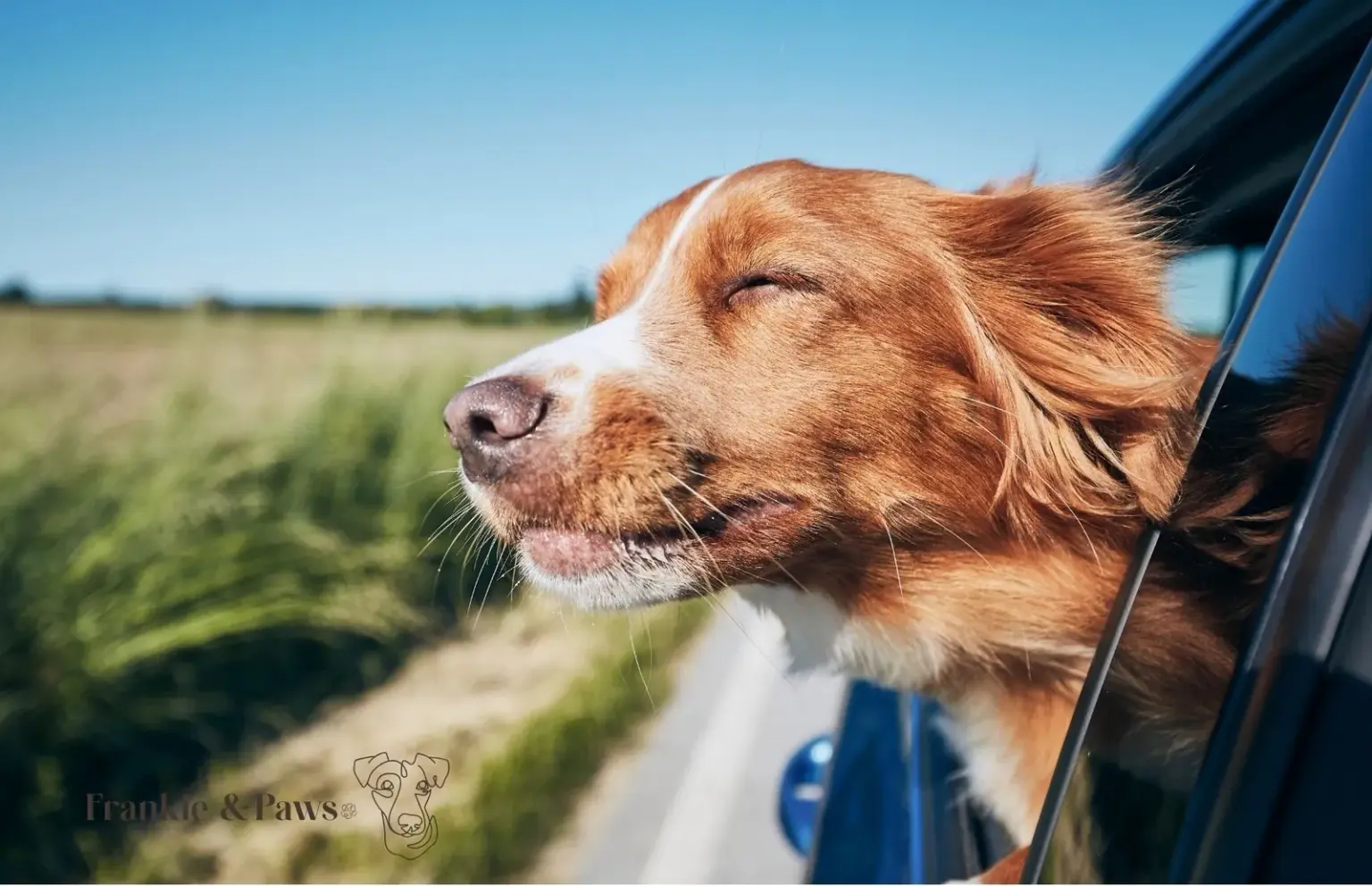
Some dogs may be reluctant to drink in unfamiliar surroundings, while long journeys, warm cars, excitement or increased panting can all affect their water requirements.
When travelling with your dog, make fresh drinking water and a portable bowl part of your journey essentials. Our summer travel checklist covers what else to pack.
How can you help keep your dog hydrated?
The most important step is simple:
Make sure your dog always has access to clean, fresh drinking water.
A few everyday habits can also help.
Take water with you
Keep a bottle of fresh water and a portable bowl with your walking or travel equipment, particularly during warmer weather or longer journeys.
Offer regular opportunities to drink
Give your dog chances to stop, rest and drink during longer walks and active days.
Keep bowls clean
Wash water bowls regularly and replace the water with fresh water rather than continually topping up what is already there.
Some dogs can be surprisingly particular about their drinking water and bowls.
Put water in more than one place
If your dog spends time in several rooms or outside in the garden, having more than one water bowl can make water easier to access.
Pay attention to their normal habits
You don't necessarily need to measure every bowl of water your dog drinks.
Instead, become familiar with their normal behaviour.
Are you suddenly refilling the bowl much more frequently? Is a dog that normally drinks readily barely touching their water?
Persistent changes are worth paying attention to.
Can dogs drink too much water?
Yes.
Although we usually think about the risks of not drinking enough, consuming an excessive quantity of water very quickly can also be dangerous.
Water intoxication is rare, but it can occur when a dog swallows large amounts of water, particularly when swimming, retrieving toys from water or playing with a hose.
Signs can include:
- tiredness or weakness
- vomiting
- bloating
- staggering or loss of coordination
- excessive drooling
- passing large amounts of clear urine
More severe cases can lead to breathing difficulties, collapse or seizures.
If you suspect water intoxication, contact your vet immediately.
Why is my dog suddenly drinking lots of water?
It's normal for dogs to drink more after exercise or during warmer weather.
However, a persistent increase in thirst can sometimes be a sign of an underlying health problem.
Conditions associated with increased drinking can include kidney disease, diabetes, liver disease, urinary problems and certain hormonal conditions. Some medications can also increase thirst.
If your dog's drinking habits have noticeably changed and remain that way, don't restrict their access to water. Contact your vet for advice.
When should you contact your vet?
Contact your vet if you're concerned that your dog is dehydrated or if you notice a significant unexplained change in how much they are drinking.
Seek veterinary advice promptly if your dog:
- has persistent vomiting or diarrhoea
- becomes unusually lethargic or weak
- stops or significantly reduces their drinking
- suddenly begins drinking significantly more than usual
- shows signs of overheating or heatstroke
- shows possible symptoms of water intoxication
If you suspect heatstroke or serious water intoxication, seek urgent veterinary help.
Frequently asked questions
How do I know if my dog is dehydrated?
Possible signs include dry or sticky gums, thick saliva, excessive panting, tiredness, reduced skin elasticity and sunken-looking eyes. These signs can have other causes, so if your dog seems unwell or you're concerned about dehydration, contact your vet.
Do dogs need more water in hot weather?
They may do. Dogs use panting as an important way of regulating their temperature, and increased panting can increase fluid loss. Make sure your dog has constant access to fresh water and somewhere cool and shaded during warm weather.
How can I encourage my dog to drink more water?
Keep their water fresh, make sure their bowl is clean and consider placing water bowls in more than one accessible location. When travelling or exercising, take fresh water with you.
If your dog is consistently reluctant to drink or their normal drinking habits suddenly change, speak to your vet.
Why is my dog suddenly drinking lots of water?
Exercise and warm weather can temporarily make a dog thirstier. However, persistent excessive drinking can sometimes be associated with an underlying health condition. If you notice an ongoing change, contact your vet and don't restrict your dog's access to water.
Can dehydration cause diarrhoea in dogs?
Diarrhoea is more commonly a cause of fluid loss and dehydration rather than dehydration being the reason for the diarrhoea. Persistent diarrhoea, particularly alongside vomiting, weakness or other signs of illness, should be discussed with your vet.
Can dogs drink too much water?
Yes. Rarely, swallowing a large amount of water over a short period can cause water intoxication. This is particularly associated with prolonged swimming or water-based play. It can become a medical emergency.
Make hydration part of everyday dog wellness
Good hydration doesn't need to be complicated.
Fresh drinking water, sensible breaks during exercise and simply paying attention to changes in your dog's usual habits can make hydration part of everyday care.
And hydration is just one part of supporting your dog's overall wellbeing. A balanced diet, appropriate exercise, rest and good everyday care all play their part.
At Frankie & Paws, we're passionate about helping owners build simple, consistent wellness routines for their dogs.
Explore the Frankie & Paws Pure Collagen range →
Sources and further reading
- Dogs Trust — How much water should a dog drink? Guidance reviewed by the Dogs Trust veterinary team covering normal drinking habits, dehydration and when to seek veterinary advice.
- RSPCA — Heatstroke in dogs Guidance covering panting, dehydration, symptoms of overheating and when urgent veterinary treatment is required.
- Vet Help Direct — Where's the best place to put a dog's water bowl? Veterinary-authored guidance discussing typical water-intake ranges and the factors that influence how much a dog drinks.
- RSPCA — Dogs Die on Hot Walks Advice covering water, exercise and recognising overheating during warm-weather walks.
- PDSA — Why is my dog drinking lots of water and weeing more than usual? Veterinary guidance covering increased thirst, potential underlying causes and when to speak to a vet.
- PDSA — What is water intoxication in dogs, and why is it dangerous? Veterinary guidance covering the causes, symptoms and urgency of water intoxication.
This article provides general information about dog wellbeing and is not a substitute for veterinary advice. If you are concerned about your dog's health or drinking habits, contact your vet.
Join the Frankie & Paws Family
Subscribe to our newsletter for research-led wellbeing guides and key ingredient insights, and enjoy 10% off your first purchase.