Autumn Dog Walk Safety: Conkers, Acorns and Dark Evenings
8 November 2026•Natalie•8 min read
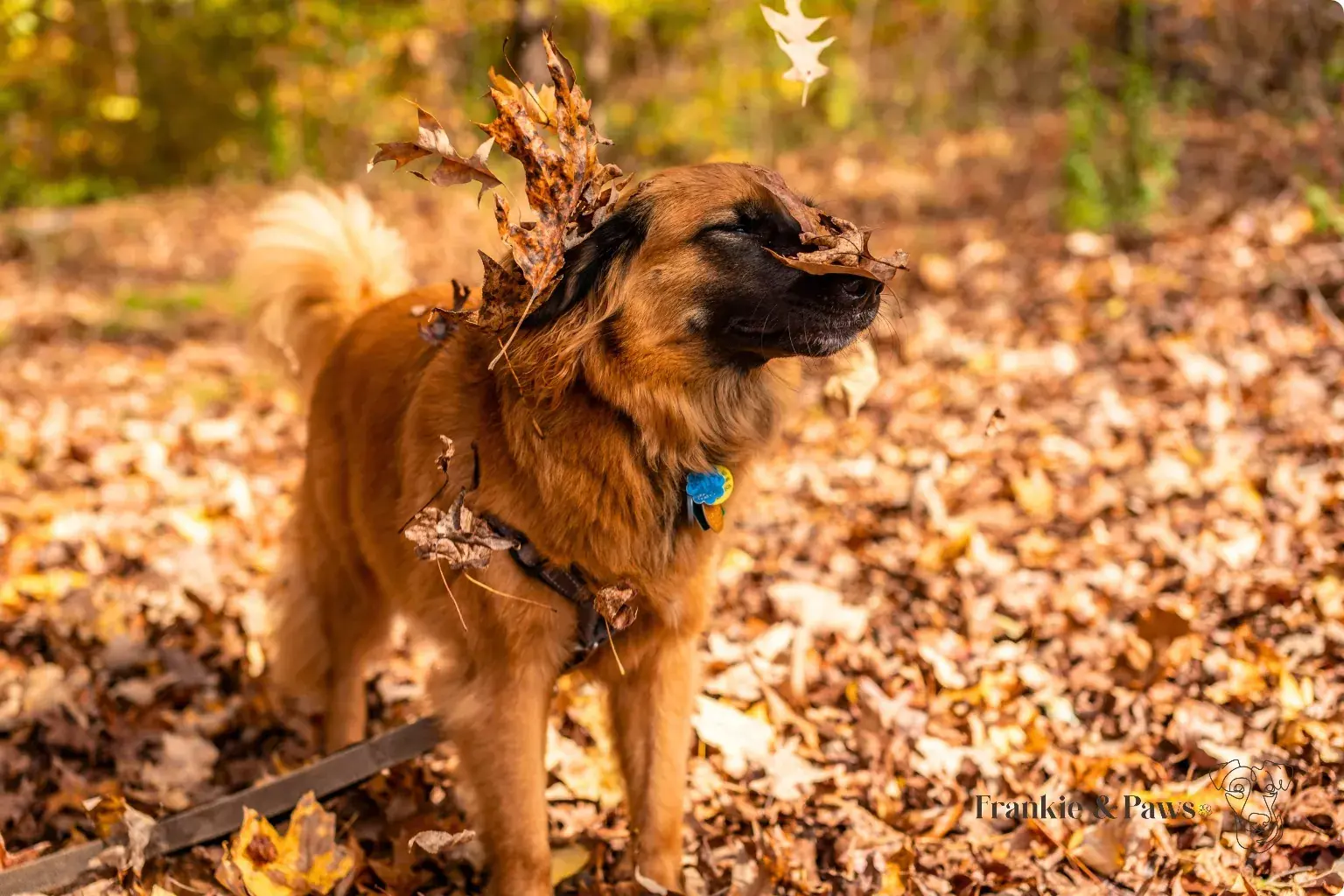
Autumn might be the best time of year for a dog walk. The heat has gone, the leaves are crunchy and every pile of them smells fascinating. But the season brings two changes worth planning for: new things on the ground, and a lot less daylight to see them by.
The biggest autumn walk hazards for dogs are conkers and acorns, which Dogs Trust warns are toxic to dogs, can be deadly in some cases, and can cause choking or a blockage in the gut. Wild mushrooms, mouldy windfall fruit, slugs and snails, and ticks are also common at this time of year. Keep your dog on a lead where conkers and acorns are on the ground, practise a reliable "leave it", and call your vet straight away if you think they've eaten something. On dark evenings, use a reflective or light-up collar and lead, wear something bright yourself, carry a torch and make sure their ID tag and microchip details are up to date.
Are conkers poisonous to dogs?
Yes. Dogs Trust says conkers are toxic to dogs and, in some cases, can even be deadly. They fall from horse chestnut trees from the start of autumn, either still in their green, prickly shells or as smooth, shiny brown nuts, and they end up everywhere: parks, verges and pavements.
They're a risk in two ways. Chewing or eating them can make a dog unwell within hours, and their size and shape makes them a choking hazard that can also cause a blockage in the gut. Dogs Trust's veterinary surgeon manager, Victoria Phillips, has pointed out that bigger dogs tend to swallow them while smaller dogs tend to chew them, and both can cause problems.
It's worth saying because conkers look so much like a ball. If your dog loves to fetch, stick to their own toys this time of year.
Are acorns dangerous for dogs?
They are. Dogs Trust puts acorns in the same category as conkers: toxic if chewed or eaten, and a choking and blockage risk if swallowed. Acorns are the smaller, smooth brown nuts with a little woody cap, and they fall from oak trees, so anywhere with oaks can have a carpet of them by October.
Signs your dog may have eaten a conker or acorn
Dogs Trust lists these symptoms, which can appear within hours:
- being sick
- diarrhoea
- stomach pain
- restlessness
- a rash
- swelling around the eyes and mouth
- not being able to move, or collapsing
Other autumn hazards on the ground
Conkers and acorns get the headlines, but Dogs Trust's autumn advice flags a few more things to keep an eye on:
- Wild mushrooms. Autumn is peak mushroom season. Many are harmless, but some are toxic to dogs and they can be hard to tell apart, so the safest rule is not to let your dog eat any.
- Rotting windfall fruit. Mould on rotting fruit can be toxic, and some pips and stones can cause sickness or a blockage.
- Slugs and snails. Don't let your dog eat them or lick their slime trails, as they can carry parasites that are harmful to dogs. They're most common in damp spots.
- Ticks. Ticks are around all year but very common in autumn. Give your dog a once-over after walks through long grass or woodland.
As the mornings get colder, it's also worth knowing about antifreeze. The Royal Kennel Club warns that it tastes sweet to dogs and that even a small amount can be fatal. Keep your dog away from any puddles of liquid near parked cars, and call your vet immediately if you think they've licked some.
If this list feels familiar, it's because the same idea applies all year round. Our guide to the flowers and plants to watch out for on spring and summer walks covers what to look for in the warmer months.
How to keep your dog safe from conkers and acorns
- Use a lead where they're on the ground. Dogs Trust recommends keeping your dog on a lead in areas with lots of conkers and acorns, and watching in case they start playing with one.
- Practise "leave it" before you need it. A reliable "leave it" or "this way" cue, taught at home first, makes it much easier to steer your dog past something tempting.
- Carry something better. Dogs Trust suggests taking high-value treats or a favourite toy on every walk. If your dog picks something up, get their attention and throw the treat or toy a short way off, so they drop what they've got to go and get it. They call this "swap and drop", and it works far better than chasing a dog who thinks you want their prize.
- Watch puppies and chewers closely. Young dogs explore with their mouths, and they're the most likely to pick something up.
Walking your dog in the dark: how to stay visible
Once the clocks go back, a lot of walks happen in the dark or half-light, especially before and after work. The Royal Kennel Club notes that road traffic accidents are common in winter, and the simplest protection is making sure drivers, cyclists and other walkers can see you both.
- Light up your dog. A reflective collar and lead, a hi-vis coat, or an LED collar or clip-on light makes your dog much easier to spot, especially dark-coated dogs.
- Light up yourself too. A hi-vis or reflective jacket helps others see you, and a torch or head torch helps you see where you're going and what your dog is sniffing.
- Check their ID. Make sure your dog's microchip details are up to date and they're wearing an ID tag, in case they get lost after dark.
- Choose familiar, well-lit routes. Dark evenings aren't the time to try a new path. Stick to routes you know, and save longer adventures for the weekend daylight.
- Think twice about off-lead time. It's much harder to keep track of your dog and what they're eating when you can't see them. A long line can give them more freedom while keeping them close.
Fireworks carry on well past Bonfire Night, too. If your dog is nervous of them, walking while it's still light is one of the most useful things you can do. Our guide to whether dogs are scared of fireworks covers how to plan the rest of the evening.
After the walk
Autumn walks are often wet and muddy ones. Dry your dog off properly when you get home, as the Royal Kennel Club points out dogs can get chilly quickly once they've cooled down, and give them a warm, dry spot to settle in. It's a good moment for a quick tick check at the same time, running your hands over their body, legs, ears and between their toes.
If you like having a checklist to hand, the same practical approach runs through our summer essentials for beach days and our travel wellness checklist.
What to do if your dog eats a conker or acorn
- Call your vet straight away, even if your dog seems fine. Don't wait for symptoms to appear.
- Tell them what you think your dog ate, roughly how much, and when.
- If you can, take a photo of the conker, acorn or mushroom, or bring one with you, as it helps your vet work out what they're dealing with.
- Don't try to make your dog sick unless your vet tells you to.
None of this means autumn walks need to be stressful. Knowing what's on the ground and making sure you can both be seen covers most of it, and leaves you free to enjoy the best bit of the season: kicking through the leaves together.
Sources and further reading
- Dogs Trust — Conkers and acorns: why they're harmful to your dog How to spot them, why they're dangerous, symptoms and how to keep your dog safe.
- Dogs Trust — Tips for keeping your dog safe this autumn Mushrooms, windfall fruit, slugs and snails, ticks, and the "swap and drop" training tip.
- Royal Kennel Club — Keep your dog safe during winter Visibility on dark walks, ID, antifreeze and drying off after a walk.
- Leigh Journal — Dog owners warned about conker and acorn hazard Dogs Trust's veterinary surgeon manager on the risks of conkers and acorns.
This article provides general information about dog wellbeing and is not a substitute for veterinary advice. If you think your dog has eaten something harmful, contact your vet straight away.
Frequently asked questions
Are conkers poisonous to dogs?
Yes. Dogs Trust says conkers are toxic to dogs and can be deadly in some cases. Eating or chewing them can cause vomiting, diarrhoea, stomach pain and restlessness within hours, and swallowing one can cause choking or a blockage in the gut. Call your vet straight away if you think your dog has eaten one.
Are acorns dangerous for dogs?
Yes. Dogs Trust warns that acorns, like conkers, are toxic if chewed or eaten and can cause choking or a gut blockage if swallowed. Keep your dog on a lead where acorns are on the ground and steer them away if they start playing with one.
How can I make my dog visible on dark walks?
Use a reflective collar and lead, a hi-vis coat or an LED collar or light, and wear something bright or reflective yourself. Carry a torch, stick to familiar, well-lit routes, and make sure your dog's ID tag and microchip details are up to date in case they get lost after dark.
What should I do if my dog eats a conker or acorn?
Call your vet straight away, even if your dog seems fine, and don't wait for symptoms. Tell them what your dog ate, roughly how much and when. Don't try to make your dog sick unless your vet tells you to.
Join the Frankie & Paws Family
Subscribe to our newsletter for research-led wellbeing guides and key ingredient insights, and enjoy 10% off your first purchase.